Crossing Hemispheres
Finding Place
170705
-
1

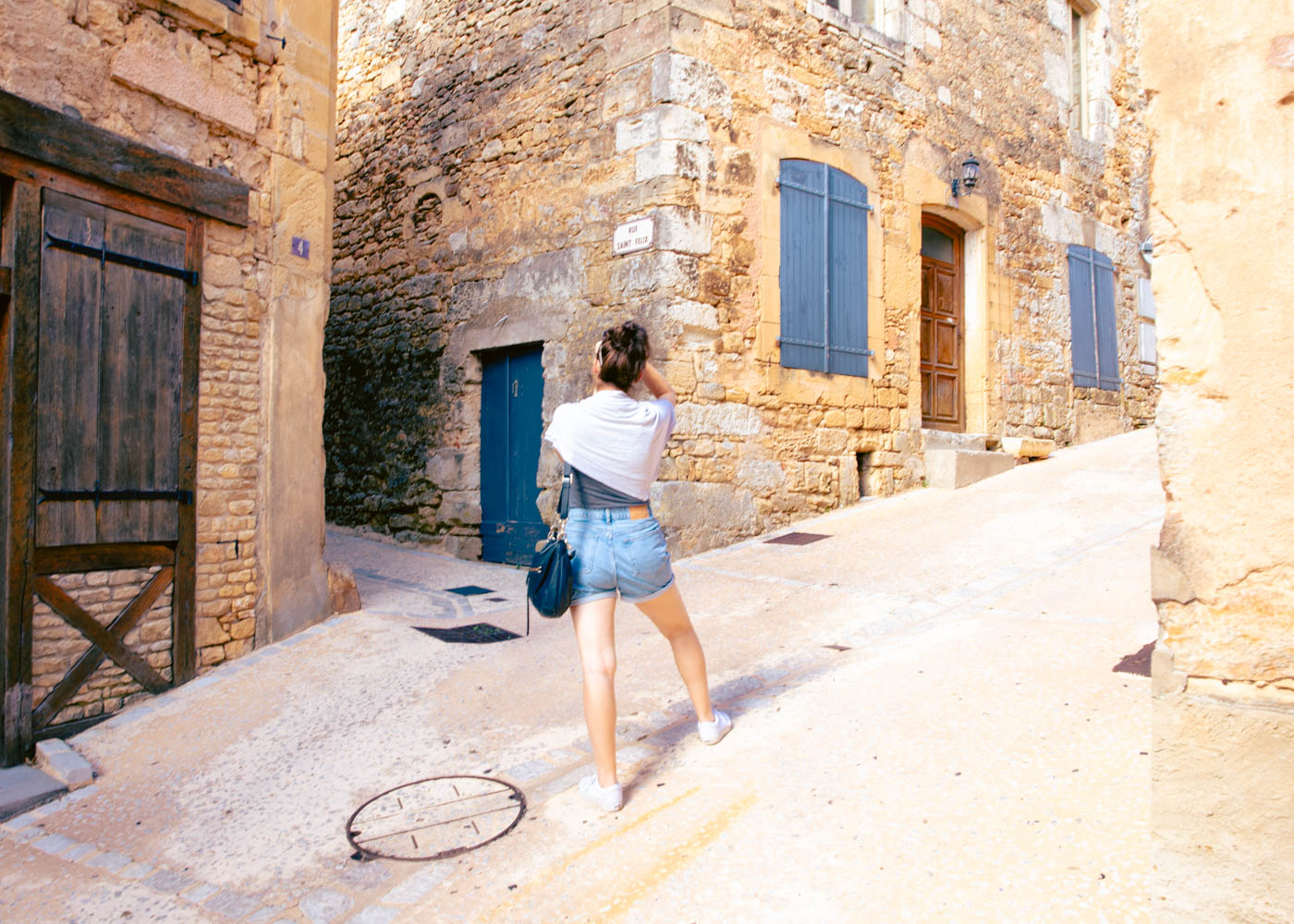
After years of moving, travelling and imagining what might come next, we reached a point where staying put felt more exciting than finding somewhere new.
The thought of living here had been with us long before it became a plan. For Solène it was a return, for me a beginning. Together, it felt like stepping into a life we'd been quietly imagining for years.
We've always been drawn to places that reveal themselves slowly. Places where history is visible in worn stone steps, weathered timber, or the way afternoon light moves across a façade. The villages, the landscape and the rhythm of life kept drawing us back. Living here has deepened that appreciation. It has encouraged us to slow down, to notice more, and to spend longer looking.
Over time, we realised it wasn't simply where we lived that was changing. It was the way we observed the world around us.
That way of looking inevitably shapes the work we make.
Good design, like good architecture, belongs to its surroundings. It reflects the people, landscape and culture that give it meaning. The strongest identities don't arrive fully formed. They emerge through observation, listening and understanding.
Before making, there is always looking.
Life has changed too. With a young family, we've become more aware of the places we choose to spend our time. Quiet streets. Shaded gardens. Old houses that stay cool through summer. Villages designed around walking rather than rushing. The smallest details often have the greatest influence on how a place feels—and, in turn, how we think, work and create.
Changing hemispheres didn't give us new ideas. It simply gave us a different place from which to notice them.
This Journal is where we'll share the places, observations and ideas that continue to shape our practice. Sometimes they'll come from a conversation, sometimes from a photograph, a building, a walk, or an ordinary moment that lingers longer than expected.
Not as answers, but as an ongoing conversation.
Shared Ground
When does observation become collaboration?
100818
-
2


We carried a fluorescent orange line through forests, across rivers, into snow and over mountains. Bright, industrial and unmistakably human, it seemed out of place against landscapes that were ancient, weathered and permanent.
At first, it felt like an intervention. But somewhere along the way, it became something else.
The line was never really the work. What interested us was what happened because of it.
You stop walking through a landscape and begin responding to it.
How do we get it over this rock? Around this tree? Across this stream? What happens if it disappears behind the hill? What if it catches the light?
Without realising it, the landscape stops being a backdrop. It begins making decisions with you. The terrain decides. The trees decide. Gravity decides. The wind decides. Sometimes you arrive with an idea, only for the place itself to quietly refuse it and suggest something else.
The work becomes a conversation. One person holds the line. The other walks. Then you swap. Then you both adjust.
Nothing is imposed. Everything is negotiated.
Looking back, I don't think we were ever interested in the line itself. We were interested in the relationship it revealed—between two people, between intention and place, between something unmistakably human and something that had been waiting there for millions of years.
For a brief moment, neither dominates the other. The fluorescent line doesn't disappear into the landscape, nor does the landscape overwhelm it. Instead, each changes the way the other is seen.
Perhaps that's when observation becomes collaboration. Not when we stop looking, but when we stop asking a place to conform to our idea and begin allowing it to shape the work alongside us.
In the end, the line was only the trace of a conversation between people and place.